
A machine shop is the beating heart of industrial manufacturing, where raw materials are meticulously transformed into the precise components that drive countless products and systems. Whether crafting intricate engine parts for the automotive sector, specialized tools for the aerospace industry, or custom fittings for medical equipment, machine shops serve as essential facilities that enable the development and production of highly specialized goods. These shops, equipped with state-of-the-art machinery and operated by skilled technicians, represent the intersection of craftsmanship and technology, delivering accurate and reliable parts tailored to meet exacting standards.
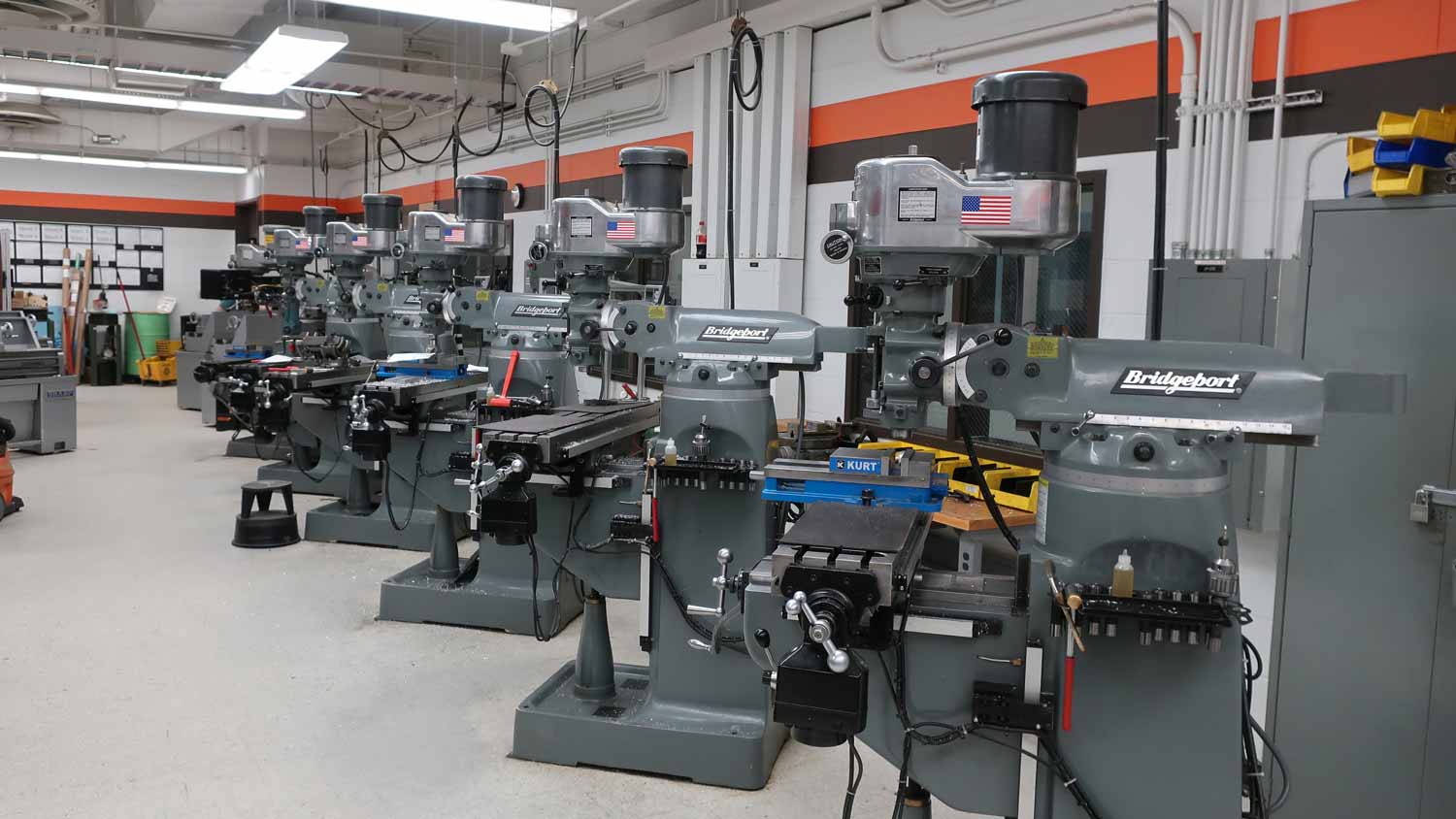
At the center of every machine shop is a blend of traditional machining techniques and modern innovations. Advanced CNC (Computer Numerical Control) machines dominate today’s workshops, capable of executing complex tasks with incredible precision. Unlike older manual processes, CNC technology allows machinists to input detailed design instructions into a computer, which then guides the tools to cut, drill, and shape materials down to the finest measurements. This evolution has not only increased efficiency but also opened the door for greater design complexity and repeatability in manufacturing.
Every project in a machine shop begins with a design, often created using sophisticated CAD (Computer-Aided Design) software. These digital blueprints define every dimension, angle, and feature of the part to be produced. Once approved, the design is converted into a program that directs the CNC machines, ensuring that the final product aligns perfectly with the specifications. This digital-to-physical workflow allows for minimal error, reduced material waste, and faster production cycles, which are especially crucial in industries where time and accuracy are paramount.
Flexibility is another defining strength of the modern machine shop. Unlike mass production facilities limited to standardized parts, machine shops are adept at both low-volume custom work and high-volume manufacturing. This adaptability enables businesses to prototype new ideas quickly or fulfill urgent orders without compromising on quality. Machine shops often serve a diverse client base, from small inventors and startups to large multinational corporations, offering solutions that are tailored to unique challenges and specific project requirements.
Quality control remains a fundamental aspect of every machining process. Machine shops invest heavily in inspection tools and quality assurance systems to ensure that every component produced meets or exceeds industry standards. From initial measurements to final testing, rigorous checks are embedded throughout the manufacturing cycle. This attention to detail safeguards performance and reliability, particularly in sectors such as defense, energy, and transportation, where component failure is not an option.
In an era of rapid technological advancement, the role of the machine shop continues to evolve. As industries demand faster production, greater customization, and improved sustainability, machine shops are rising to the occasion by adopting new materials, smarter systems, and more efficient practices. They are no longer just workshops—they are dynamic partners in innovation, essential to bringing the most ambitious engineering visions to life. The enduring relevance of machine shops lies in their ability to adapt, deliver, and refine the future of manufacturing.